Why are tomato leaves turning yellow? Causes and organic fixes for Indian terrace gardens
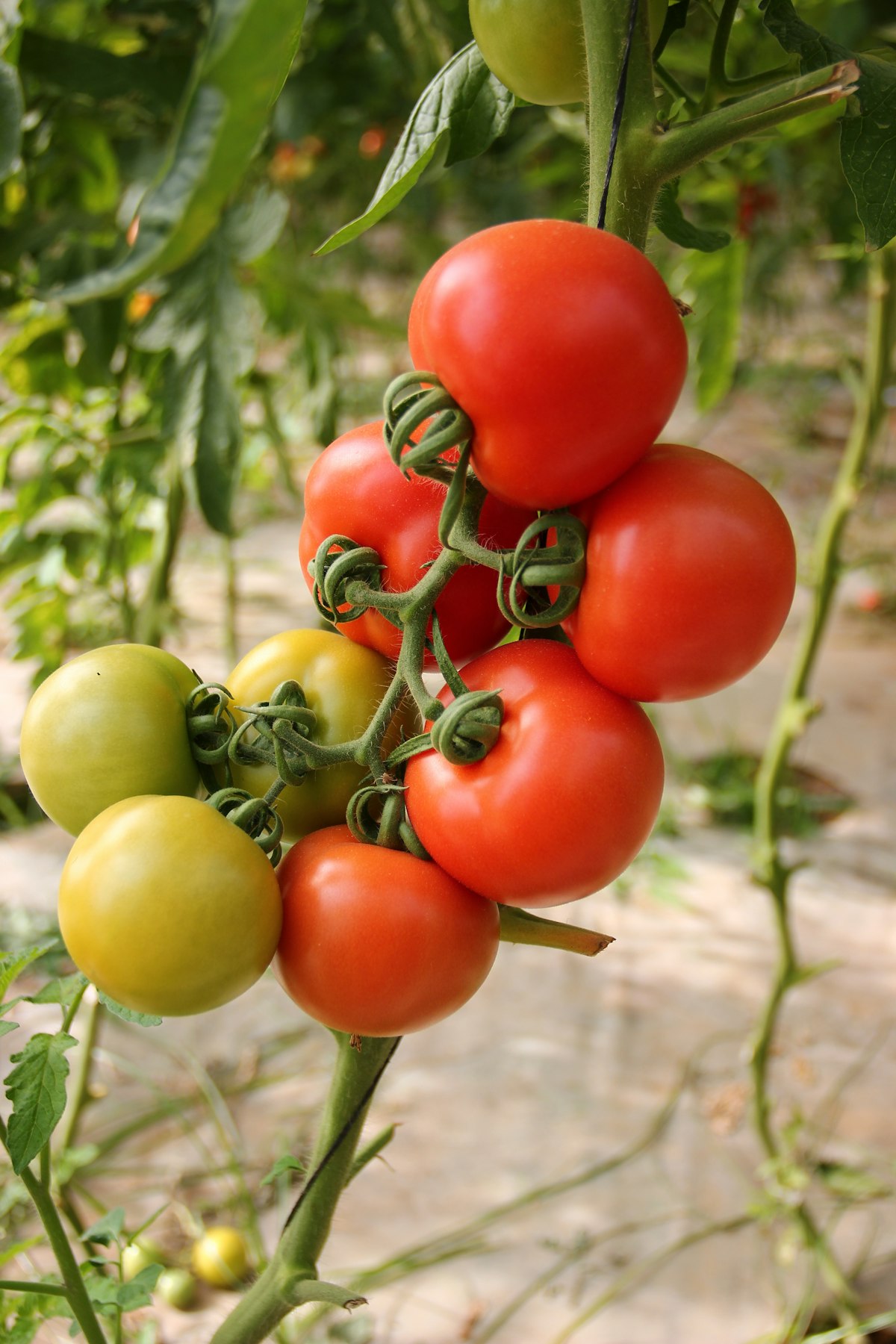
Yellow leaves on a tomato plant are the single most common terrace-gardening complaint we hear from gardeners in Delhi, Mumbai, Bangalore and Chennai. The good news: 90% of the time the cause is a simple nutrient or watering imbalance, not a disease. The bad news: if you do not act in 7–10 days, yellowing spreads from the lower leaves up the plant, fruit production crashes, and you may lose the whole pot. This guide walks you through the seven most common reasons tomato leaves turn yellow on Indian terraces, how to diagnose each one in 30 seconds, and the exact organic fix that works in our climate. By the end you will know whether to add Epsom salt, flush the pot, prune blighted leaves, or simply move the container.
Run our free plant diagnostic tool →Root causes
- 1. Nitrogen deficiency (most common)If the OLD lower leaves turn pale yellow first while the new growth at the top stays green, the soil is out of nitrogen. Tomatoes are heavy feeders and a 12 L pot is exhausted within 30–40 days of transplant. Confirm by checking if the yellowing is uniform across the leaf with greener veins.
- 2. Overwatering or poor drainageIndian terrace gardeners drown more tomatoes than they starve. If leaves are yellow AND wilting AND the soil feels damp 2 cm deep, the roots are suffocating. Standing water in the saucer for more than 30 minutes is a red flag.
- 3. Magnesium deficiencyYellowing BETWEEN green veins (interveinal chlorosis) on middle-aged leaves is classic magnesium loss — common in cocopeat-heavy mixes and after heavy monsoon flushes.
- 4. Early blight (Alternaria)Dark concentric brown rings INSIDE yellow halos, starting on the lowest leaves and creeping upward, are Alternaria solani. India's humid pre-monsoon weather is peak season.
- 5. Nutrient lockout from alkaline waterDelhi, Jaipur and Hyderabad tap water (TDS 400–800 ppm) drives soil pH above 7.5, where iron and manganese become unavailable. New top growth yellows while veins stay dark green.
- 6. Transplant shock or root-bound plantPlants moved into containers smaller than 12 L become root-bound in 60 days. Lower leaves yellow uniformly and growth halts.
- 7. Whitefly or aphid sap-suckingSticky honeydew on leaf undersides + yellowing + small flying insects when you shake the plant = sap-sucker damage.
Step-by-step fixes
- Feed nitrogen organicallyDissolve 50 g vermicompost in 1 L water overnight, strain, and drench each pot. Repeat weekly for 3 weeks. Alternatively, water with diluted (1:10) panchagavya or jeevamrutham.
- Fix drainage immediatelyTip the pot to drain standing water, scratch the top 2 cm of soil to break the crust, and skip watering for 3–4 days. Drill extra drainage holes if water still pools.
- Apply Epsom salt for magnesium1 tablespoon Epsom salt in 4 L water, sprayed on leaves at sunset. Repeat in 10 days. Within a week, new growth comes in deep green.
- Prune and spray for early blightSnip every yellow-spotted leaf with sterilised scissors, bag and discard (do not compost). Spray remaining foliage with 5 ml neem oil + 1 ml soap per litre, weekly for 3 weeks.
- Flush alkaline soilPour 3× the pot volume of rainwater or RO water slowly through the pot to leach salts. Follow with a topdressing of compost.
- Up-pot root-bound plantsMove to a 15–20 L container with fresh compost-rich mix. Water deeply and shade for 48 hours.
Prevention checklist
- Use containers at least 15 L for indeterminate tomato varieties.
- Top-dress with 2 cm vermicompost every 30 days during fruiting.
- Water in the morning so foliage dries before evening — prevents blight.
- Mulch the soil surface with dry leaves or sugarcane bagasse.
- Inspect leaf undersides every 4 days for whitefly eggs.
- Rotate tomato pots so the same soil is not used for tomatoes two cycles in a row.
- Use rainwater whenever possible — Indian tap water is the silent killer.
Frequently asked questions
Related guides
Final word
Yellow leaves are your tomato plant talking to you — and the message is almost always fixable. Diagnose by checking which leaves yellow first (old or new), whether the soil is wet or dry, and whether veins stay green. Match the symptom to one of the seven causes above, apply the organic fix, and you will see new green growth within 7–10 days. Keep mulching, keep top-dressing with compost, and switch to rainwater whenever you can — Indian terrace tomatoes thrive when watered the same way nature would.