
Terrace gardening in Bangalore: the complete 2026 guide
Terrace gardening in Bangalore is genuinely different from anywhere else in India because moderate tropical savanna — 14–32 °C year-round, ideal for almost every crop, and the red loamy soil under your slab plus borewell water often hard (TDS 400–900 ppm) tap water force a very specific playbook. This guide is the playbook. We will walk through Bangalore's real climate windows, the exact potting mix that survives a 34 °C summer and a 14 °C winter night, the top 10 crops that thrive on local rooftops, the pest pressure you will face in April, and the month-by-month sowing calendar that gives you a continuous harvest. Everything below is calibrated for Bangalore — no generic advice copied from a US gardening blog.
Plan my terrace garden →Bangalore's climate and what it means for your terrace
Bangalore sits in India's south zone with a moderate tropical savanna — 14–32 °C year-round, ideal for almost every crop. Summer highs touch 34 °C, winter lows drop to 14 °C, and the city receives roughly 970 mm of rain a year, mostly during Jun–Oct. For a terrace gardener that means three real seasons to plan around: a long warm window, a short cool window, and the monsoon. The hardest month for plants is April, when rooftop temperatures can climb 10–15 °C above the official reading because of slab heat.
Practical takeaway: protect every container from April with a 35–50% shade net, mulch the topsoil with dried leaves or cocopeat, and shift to morning-only watering. In winter, drop shade nets and rotate pots towards south-facing walls to grab more low-angle sunlight.
Bangalore soil and tap water — what works in pots
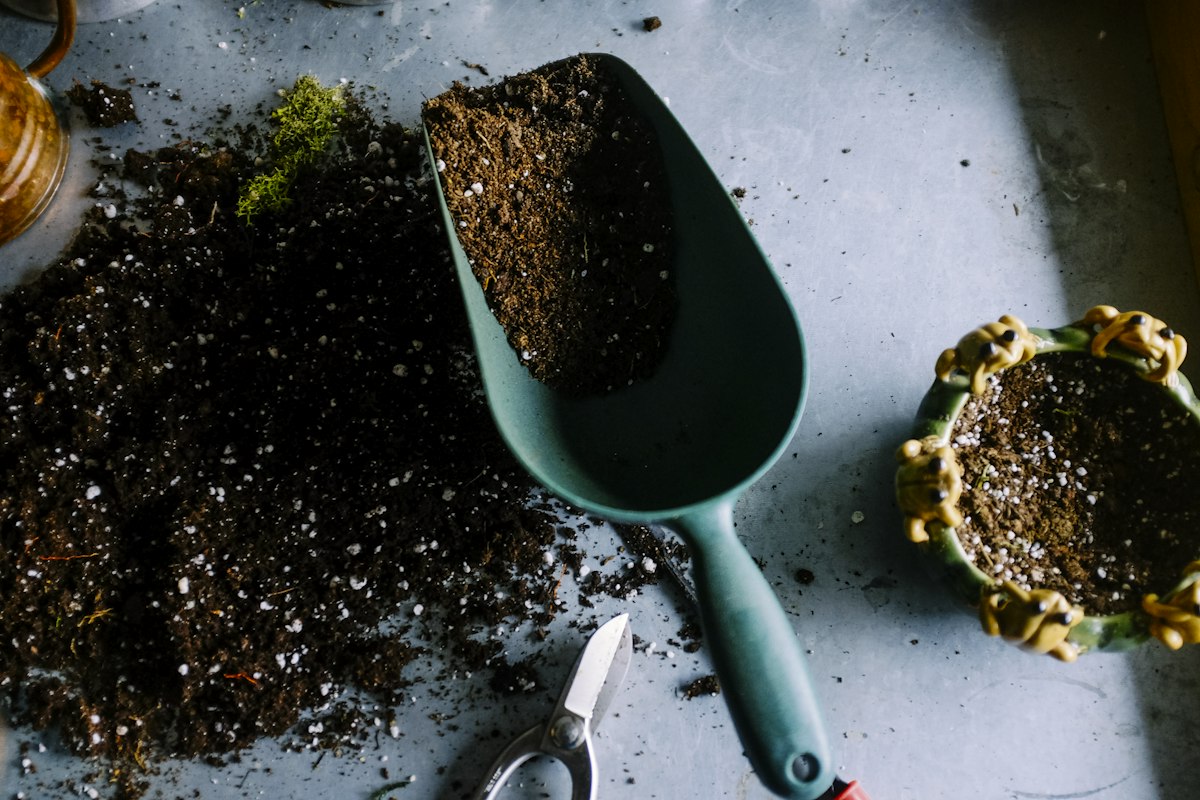
Native ground around Bangalore is red loamy soil, mildly acidic (pH 5.5–6.5), good drainage. That is great context for raised beds, but for containers you should build a mix instead of digging up garden dirt. A good default for Bangalore terraces is 30% red soil or garden soil, 40% cocopeat (washed, buffered), 20% finished compost or vermicompost, and 10% sand or perlite for drainage.
Your tap water is borewell water often hard (TDS 400–900 ppm) — flush soil monthly. If TDS is over 500 ppm, salts will build up in pots within 60 days and burn leaf tips. Flush each container with 3× pot-volume of rainwater or RO reject once a month and you will reverse the damage before it becomes visible.
Sowing calendar for Bangalore
The best sowing window in Bangalore is Year-round (peak: Sep–Feb). Use this calendar as a starting point and adjust by 2–3 weeks for your specific microclimate (terrace facing, shade from neighbouring buildings).
- Summer (Mar–Jun, 28–45 °C): Long days, intense UV, and rapid soil drying. Crops need shade nets, heavier mulch, and morning watering.
- Winter (Oct–Feb, 5–25 °C): Best window for leafy greens and root vegetables. Frost only in the north; cover seedlings with cloches.
- Monsoon (Jun–Sep, 22–32 °C): High humidity, heavy rainfall — focus on drainage, fungal control, and disease-resistant varieties.
- Spring (Feb–Apr, 18–32 °C): Transition window — great for transplanting winter seedlings and prepping summer beds.
Best crops for a Bangalore terrace
Based on heat tolerance, water needs, and what actually thrives in Bangalore's moderate tropical savanna, the highest-yield picks for your terrace are: Tomato, Spinach, Lettuce, Broccoli, Strawberry, Basil, Mint, Carrot, Beetroot, Kale.
Local challenges every Bangalore gardener faces
- unpredictable April pre-monsoon heat. Plan around it with shade nets, drip irrigation, and varietal selection — see our irrigation guide and free plant diagnostic tool.
- hard borewell water salt buildup. Plan around it with shade nets, drip irrigation, and varietal selection — see our irrigation guide and free plant diagnostic tool.
- balcony-only setups. Plan around it with shade nets, drip irrigation, and varietal selection — see our irrigation guide and free plant diagnostic tool.
Pest and disease pressure in Bangalore
Warm, humid coastal air means whitefly, mealybug and powdery mildew are the year-round pressure points. A weekly preventive spray of 5 ml neem oil + 1 ml liquid soap per litre, applied at sunset, breaks most cycles before they take hold. For diagnosis, use our photo-based diagnostic tool — it is tuned for Indian climates.
Where Bangalore terrace gardeners are most active
We see the highest plant-success rates in Whitefield, Indiranagar, HSR Layout, Jayanagar, and growing interest in Sarjapur Road, Electronic City, Hebbal. If you are in any of these neighbourhoods, our marketplace will show you sellers shipping locally so you can avoid week-long transit damage.
Frequently asked questions
Related guides
Final word
Bangalore's rooftops can produce 8–15 kg of organic vegetables per 100 sq ft per season once you stop fighting the local climate and start working with it. The single biggest predictor of success is consistency: water at the same hour every day, top-dress with compost every 30 days, and rotate crops along Year-round (peak: Sep–Feb). Start with 4–6 of the easy crops above, prove the system on your terrace, then expand. When you hit a problem, use our /diagnose tool — it is the only AI plant doctor trained specifically on Indian climates and Bangalore-style rooftops.